14 Símbolos de Buena Suerte de Todo el Mundo
Los encantos en este artículo, de nuestra tienda:
- Collares con colgantes de trébol de cuatro hojas
- Amuletos de herradura
- Colgante de cristal de mal de ojo
Índice de contenidos de amuletos de la suerte
- Trébol de cuatro hojas
- The horseshoe
- Dados de la suerte (Dados de la suerte / Dados mullidos)
- Mariquitas
- El número 7
- El número 8
- La pata de conejo
- Animales de la suerte (peces, tortugas, etc.)
- El arcoíris
- La moneda de la suerte
- Bambú de la suerte
- El atrapasueños
- El mal de ojo
- Bellotas
- Profundizando en los amuletos de la suerte
Los amuletos de la suerte siempre han fascinado a la gente: algunos creen en ellos profundamente, mientras que otros los ven como simples objetos decorativos o supersticiones encantadoras. Ya sea que creas en ellos o no, estos símbolos llevan consigo siglos de historias, y muchas personas simplemente disfrutan teniéndolos cerca. ¿Puede un amuleto realmente aumentar tu confianza? Un famoso estudio de 2010 dijo que sí; una replicación más amplia en 2014 no encontró efecto alguno. Explicamos ambos en ¿funcionan los amuletos de la suerte?
Un amuleto de la suerte puede ser un recordatorio visual de una intención, una persona o un momento. El significado que le des es cosa tuya; no te prometeremos que cambie tu suerte. A continuación, cada símbolo viene con su historia, y una nota cuando esa historia no se sostiene.
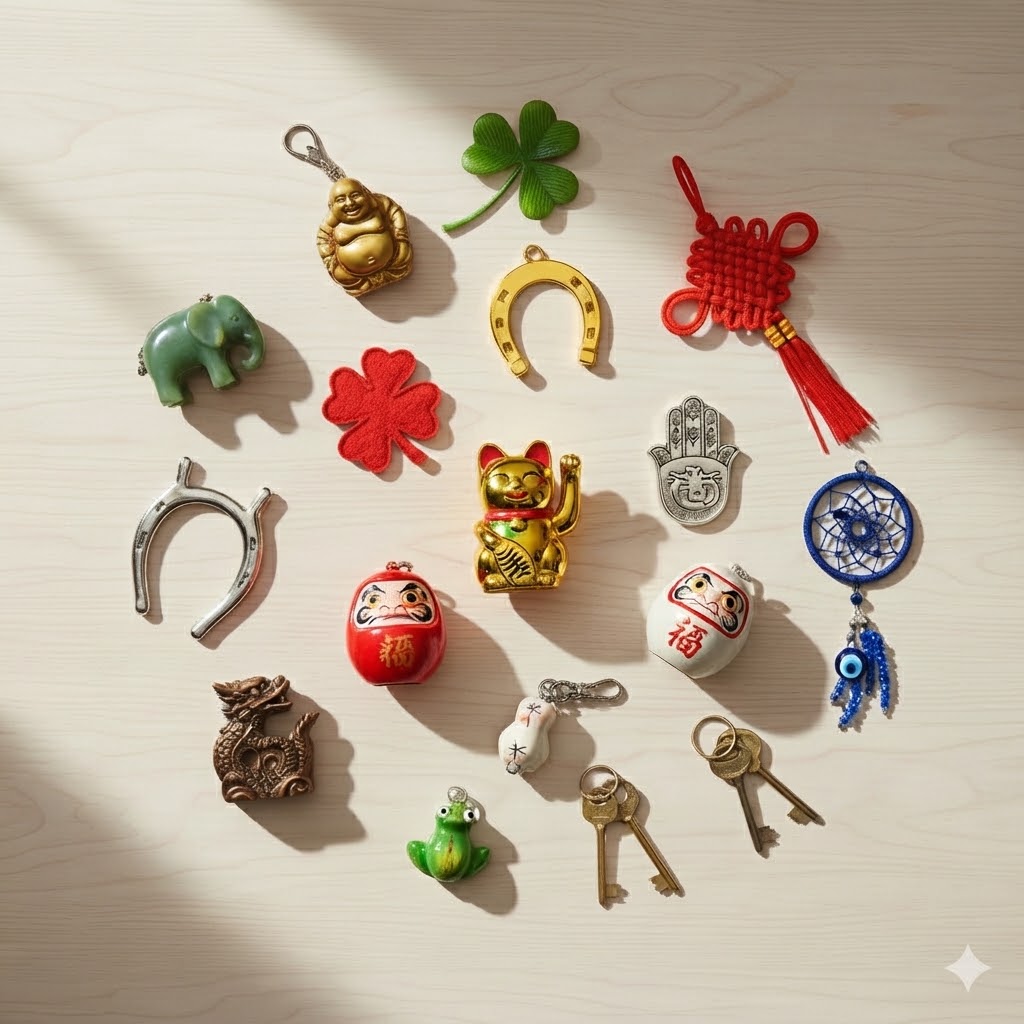
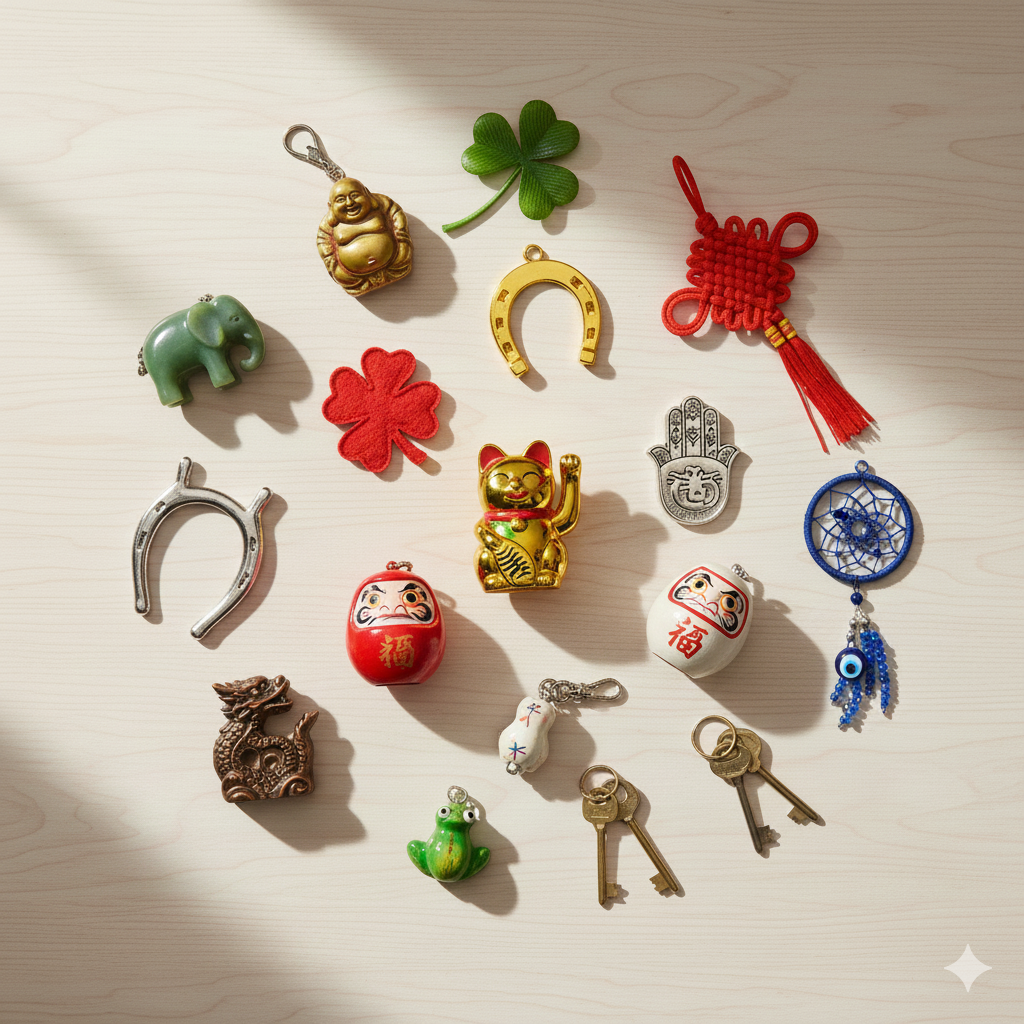
Descubre a continuación 14 amuletos de la suerte — el trébol de cuatro hojas, la herradura, la mariquita, la moneda de la suerte, el ojo de Horus, el bambú, y muchos otros — e historias reales detrás de ellos. Inspírate en estos símbolos para elegir tu amuleto de la suerte personal o construir un pequeño altar de la suerte en casa o en tu escritorio.
Trébol de cuatro hojas amuleto de la suerte
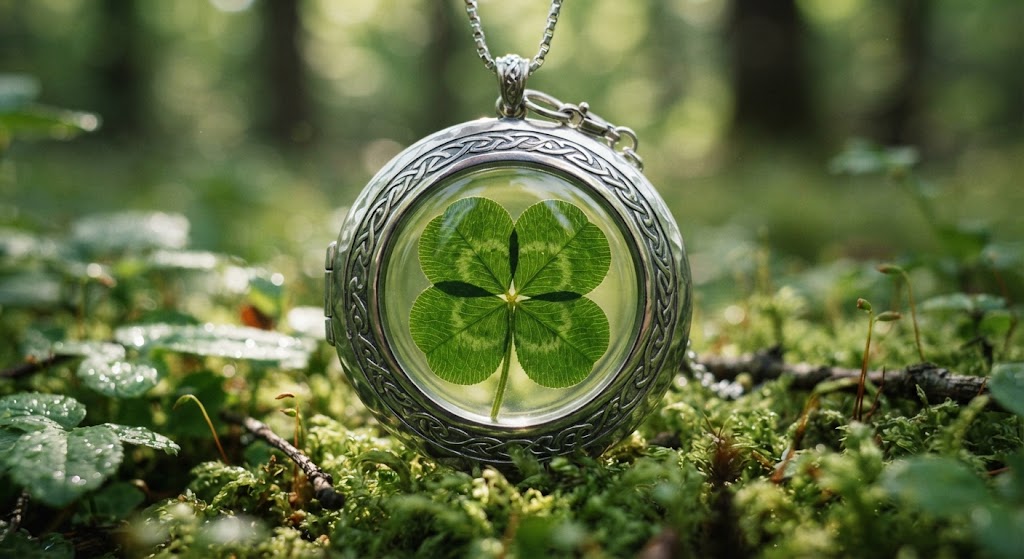
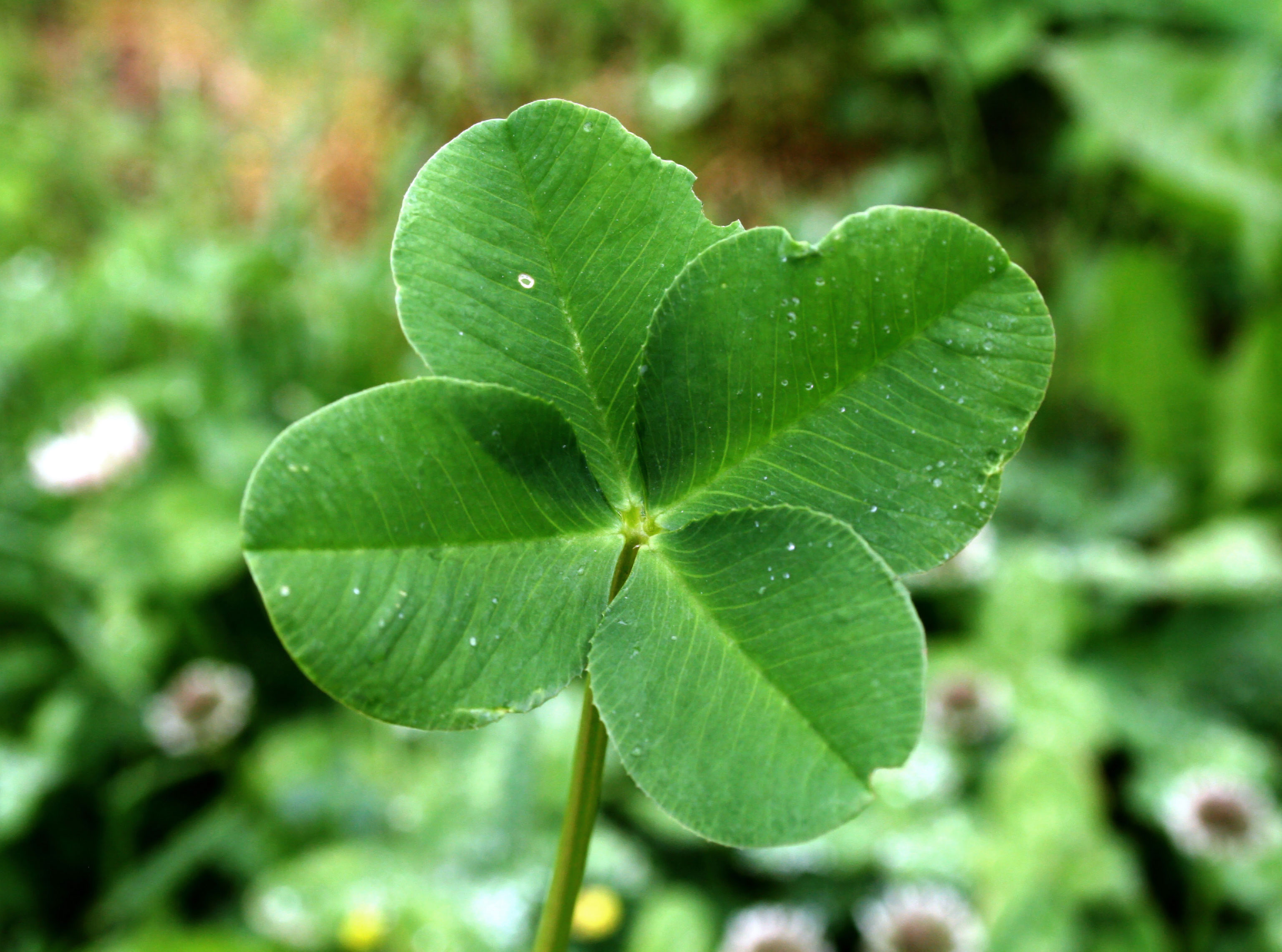
El trébol de cuatro hojas es uno de los amuletos de la suerte más famosos, asociado con la buena fortuna y la prosperidad, y fuertemente vinculado a Irlanda. Una historia popular cuenta que los celtas creían que un trébol de cuatro hojas les permitía ver a las hadas y evitar sus travesuras; se repite ampliamente, pero no hemos encontrado una fuente sólida que lo respalde.
Cada hoja del trébol de cuatro hojas se asocia con una cualidad positiva: fe, esperanza, amor y suerte. Otras leyendas hablan de gloria, riqueza, salud y amor fiel. Muchas personas llevan uno en la cartera, en un colgante o como pulsera, como un pequeño recordatorio de esos deseos.
Los tréboles de cuatro hojas son raros, pero menos de lo que has oído: una encuesta de 2017 sobre aproximadamente 5,7 millones de tréboles contó uno de cada 5.076, no uno de cada 10.000. La mayoría provienen del trébol blanco, Trifolium repens, y como el rasgo es genético, tienden a crecer en grupos. Más en ¿Qué tan raro es un trébol de cuatro hojas?
Afortunadamente, no necesitas pasar horas en los campos para disfrutar del símbolo. Puedes crear tu propio amuleto de trébol de cuatro hojas con papel, fieltro, metal o resina, o llevarlo puesto todos los días como un colgante de trébol de cuatro hojas. Colócalo en tu escritorio, tu mesilla de noche o en tu cartera como un pequeño recordatorio de los deseos que representa.
The horseshoe
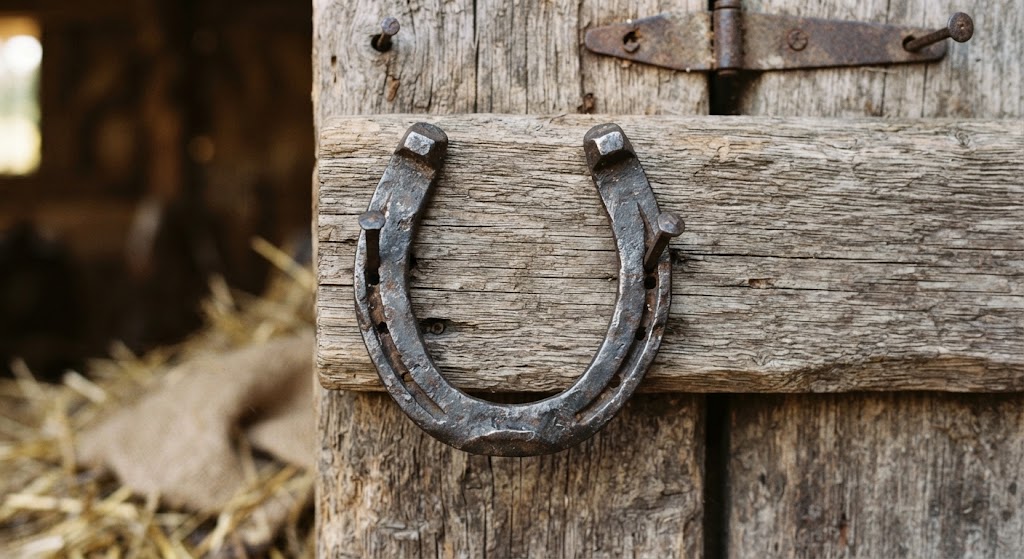

La herradura es uno de los amuletos de la suerte más conocidos, utilizado tanto para la fortuna como para la protección. El folclore explica su poder a través del material del que está hecha: el hierro. Se creía que las criaturas malévolas y los espíritus traviesos odiaban el contacto con el hierro y evitaban los hogares adornados con él.
Una famosa leyenda cuenta la historia de San Dunstán, un herrador y futuro Arzobispo de Canterbury. Se dice que el diablo le pidió que herrara su caballo. Dunstán, astutamente, clavó la herradura no en el casco del animal sino en el pie del propio diablo, y solo lo liberó después de que el diablo jurara nunca acercarse a una casa decorada con una herradura. La leyenda suele fecharse en el siglo X, pero la versión que todos repiten se parece mucho a un poema victoriano publicado por primera vez en 1852. Ver ¿Cuántos años tiene la leyenda de San Dunstán?
¿Hacia dónde debe colgar? Existen ambas tradiciones: puntas hacia arriba para que la suerte no se caiga, o puntas hacia abajo para que se derrame sobre quien camina bajo ella. Ver herradura hacia arriba o hacia abajo. Puede colocarse en la entrada de la casa, en una oficina, o cerca de tu área de trabajo.
Si prefieres una versión más moderna y discreta, puedes elegir amuletos en forma de herradura, una pulsera simbólica, o simples pegatinas para colocar en tu ordenador, agenda o cuaderno de proyectos. Elige el significado que te hable: protección, éxito o estabilidad.
Dados de la suerte (Dados de la suerte o Dados difusos)

Los dados se asocian naturalmente con la suerte, los juegos y la toma de riesgos. No es sorpresa, entonces, que se hayan convertido en símbolos muy populares de la buena fortuna, especialmente entre jugadores, pilotos y personas a quienes les gusta "probar suerte" en la vida. Los dados peludos, colgados de los retrovisores de los coches, se han convertido en un icono retro de la cultura popular.
Durante la Segunda Guerra Mundial, muchos pilotos de combate llevaban amuletos de la suerte en sus misiones, esperando aumentar sus posibilidades de regresar sanos y salvos. Entre estos talismanes había frecuentemente cartas de juego, pequeñas figuritas y, por supuesto, dados. Los dados simbolizaban la suerte, pero también el valor para desafiar el destino.
En 1959, la empresa Deccofelt Corp popularizó los dados difusos para colgar en los coches, basándose en esta tradición. Desde entonces, han estado asociados con la buena suerte en la carretera, el estilo y la audacia. Usar dados como amuleto de la suerte puede ser una forma lúdica de recordarte a ti mismo que la vida implica un elemento de incertidumbre, pero que tienes todo el derecho a creer, a atreverte y a confiar en ti mismo.
Para convertirlos en un talismán personal, puedes coser tu propio par de dados peludos, comprarlos ya hechos, o simplemente colocar varios dados coloridos en tu escritorio. Pueden convertirse en un símbolo de confianza en tus elecciones, de asumir la responsabilidad de tus decisiones, y de la capacidad de "jugar tus cartas" con audacia en tus proyectos personales y profesionales.
Mariquitas como amuletos de la suerte
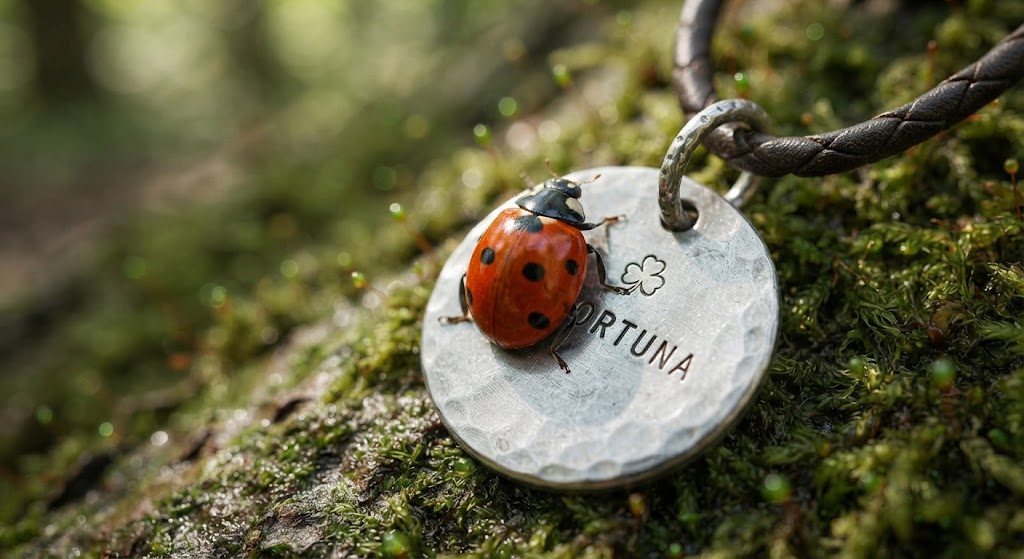
La mariquita es un insecto amado en todo el mundo y considerado un amuleto de la suerte muy poderoso. Su color rojo brillante y sus pequeñas manchas negras la convierten en un símbolo de alegría, protección natural y suerte. En algunas lenguas germánicas, incluso se la llama el "insecto de la suerte": "Glueckskaefer."
Muchas creencias rodean a la mariquita. Una tradición dice que si una mariquita se posa en ti y la dejas volar sin espantarla, tu suerte mejorará. En algunas historias, si un hombre y una mujer ven una mariquita al mismo tiempo, anuncia un encuentro romántico o el comienzo de una historia hermosa. En Bélgica, se decía que una mariquita en la mano de una joven mujer auguraba un próximo matrimonio.
En la agricultura, el regreso de las mariquitas en primavera se interpretaba como un signo de una buena cosecha venidera. Comen pulgones y protegen naturalmente las cosechas, de ahí su imagen positiva como aliadas de la naturaleza y guardianas del jardín. Cuanto más roja sea la mariquita y más manchas tenga, más suerte se dice que tiene, según algunas supersticiones.
Para traer la mariquita a tu vida como amuleto de la suerte, puedes elegir joyería, llaveros, decoraciones de escritorio u objetos pequeños hechos a mano a su imagen. Una piedra pintada como mariquita, una taza, un cuaderno o una ilustración cerca de tu espacio de trabajo pueden convertirse en un símbolo discreto de confianza, ligereza y protección cotidiana. Evita matar mariquitas: en muchas tradiciones, esto trae mala suerte.
El número siete de la suerte
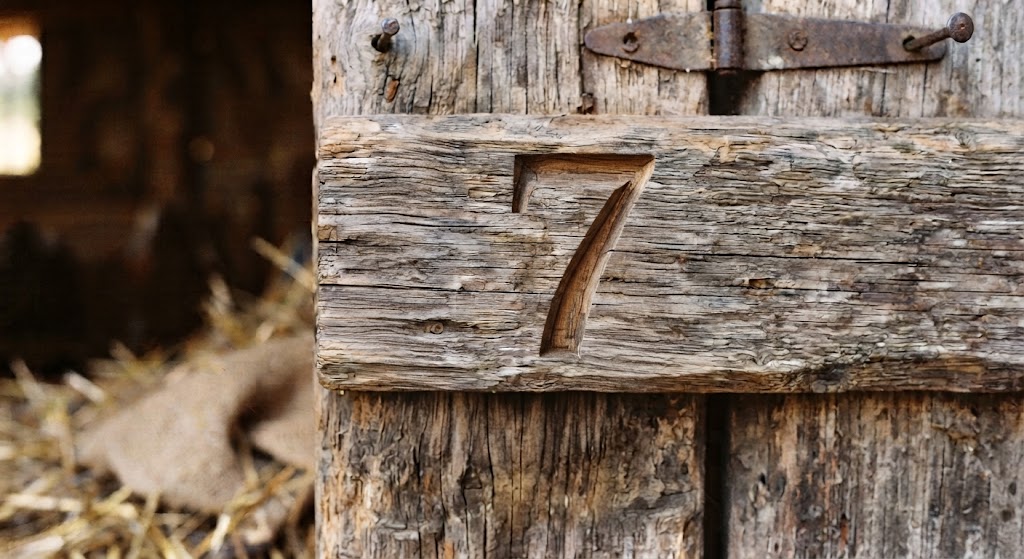

El número 7 es frecuentemente considerado el número más afortunado en muchas culturas. Aparece en juegos de azar, expresiones populares y tradiciones espirituales. Se asocia con la perfección, el equilibrio y el conocimiento interior, lo que lo convierte en un símbolo popular para amuletos de la suerte.
Los antiguos griegos consideraban el 7 como un número perfecto, la suma de 3 (el triángulo, que simboliza la armonía) y 4 (el cuadrado, que simboliza la estabilidad). El número 7 también aparece a lo largo de la vida cotidiana: 7 días de la semana, 7 colores del arco iris, 7 notas de la escala musical, 7 planetas visibles a simple vista en la astronomía antigua, y así sucesivamente. Esta recurrencia refuerza su aura como número simbólico.
En algunas creencias, se dice que el séptimo hijo de un séptimo hijo tiene especial suerte o posee talentos especiales. En el casino, el 7 a menudo se asocia con ganancias y sorteos ganadores. A un nivel más personal, elegir el 7 como tu número de referencia puede ayudarte a estructurar tus objetivos (7 hábitos, 7 intenciones, 7 pasos para un proyecto, etc.).
- 7 días de la semana.
- 7 colores en el arcoíris.
- 7 planetas visibles a simple vista en la antigüedad.
- El séptimo hijo de un séptimo hijo se considera especialmente afortunado.
- El 7 es un número ganador en muchos juegos de azar.
Para adoptar el 7 como amuleto de la suerte, puedes elegir una joya o un accesorio que presente este número, crear conjuntos de 7 objetos (cristales, velas, símbolos de buena suerte), o usar el 7 como tu número preferido en contraseñas, números elegidos, fechas o rituales personales.
El número ocho de la suerte


En la tradición china, el número 8 se considera uno de los números más afortunados que existen. La razón es lingüística: la palabra "8" en chino suena similar a la palabra que significa "prosperidad". Aparece en todas partes: números de teléfono, placas de matrícula, números de piso, fechas de bodas o fechas de apertura de negocios.
Visualmente, el 8 está compuesto por dos bucles equilibrados que evocan armonía, continuidad y abundancia. Acostado de lado, también recuerda al símbolo del infinito. Como amuleto de la suerte, el 8 es por lo tanto perfecto para simbolizar un flujo continuo de éxito, estabilidad financiera y equilibrio en la vida personal y profesional.
Si el 7 encarna la suerte y la perfección, el 8 se asocia con la riqueza, el éxito material y la realización de proyectos. En un enfoque de desarrollo personal, utilizar el número 8 como símbolo es una forma de afirmar que te permites la prosperidad, el crecimiento y la estabilidad.
Para traer el número 8 a tu mundo de talismanes de la suerte, puedes elegir joyas, decoraciones de pared, obras de arte, o incluso organizar ciertos elementos de tu entorno en grupos de 8 (plantas, velas, fotografías). El 8 también puede elegirse como número clave para tus proyectos o como recordatorio visual de tu intención de atraer abundancia.
La pata de conejo

La pata de conejo es un amuleto de la suerte clásico, frecuentemente utilizado como llavero o pequeño colgante. Se asocia con la suerte, la protección y la capacidad de escapar del peligro. Aunque ahora puede estar hecha de material sintético, su simbolismo original es muy antiguo y proviene en gran medida de tradiciones de hoodoo y ciertos rituales mágicos populares.
Según la leyenda, la pata trasera izquierda de un conejo capturado en un cementerio por la noche se creía que tenía el poder de ahuyentar maldiciones, hechizos y energías negativas. El conejo, un animal rápido e instintivo, simboliza la capacidad de huir del peligro, recuperarse y sobrevivir. Su pata se convierte entonces en un talismán de protección y suerte para quien la lleve consigo.
Hoy en día, no es necesario seguir estas antiguas prácticas: las patas de conejo sintéticas o estilizadas son fáciles de encontrar, permitiéndote disfrutar del símbolo sin dañar animales. También puedes crear tu propia "pata de conejo" con fieltro, tela o cuero, para diseñar un amuleto de la suerte ético y personalizado.
Llévalo en tu bolsillo, sujétalo a tus llaves, tu bolsa o tu llavero de trabajo para recordarte que tienes los recursos para adaptarte, recuperarte y superar las dificultades. También puede representar velocidad, agilidad mental y la capacidad de aprovechar las oportunidades en el momento adecuado.
Animales de la suerte: El pez
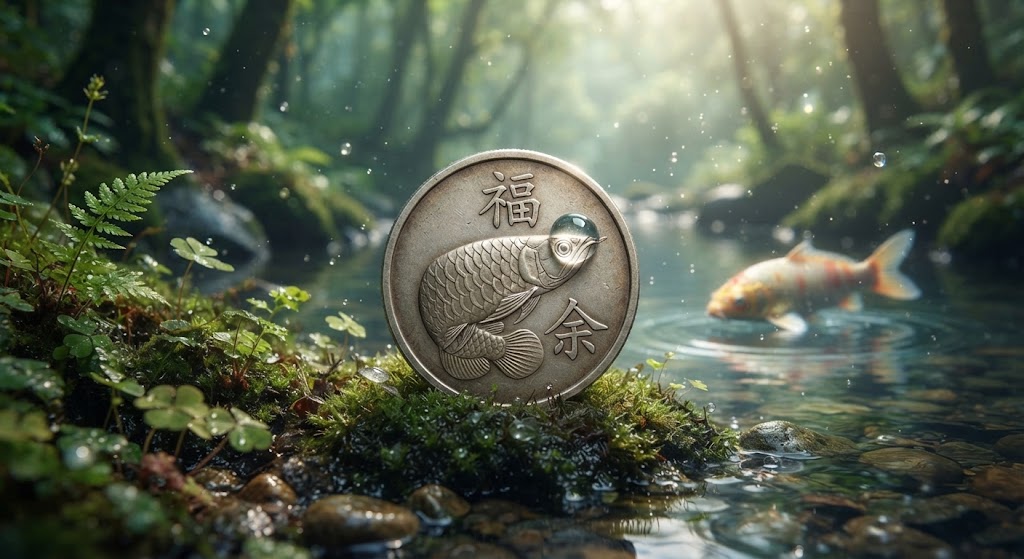
Muchos animales se consideran amuletos de la suerte en diversas culturas, cada uno con un significado particular: riqueza, longevidad, amor, protección, éxito… El pez, en particular, está muy presente en las tradiciones asiáticas y en el feng shui como símbolo de abundancia, fluidez y armonía.
En feng shui, los peces —especialmente los peces de colores— se dice que atraen suerte, prosperidad y éxito. Suelen asociarse con el flujo suave de energía ("chi") en el hogar o el lugar de trabajo. Los dragones y los caballos también se consideran muy favorables para la suerte y el poder personal.
- En feng shui, los peces dorados simbolizan la riqueza y la fluidez.
- En Alemania, se regalan cerditos de la suerte ("Glücksschwein") para desear felicidad y prosperidad.
- Las tortugas están asociadas con la longevidad y la estabilidad.
- En el antiguo Egipto, el escarabajo era un símbolo de renacimiento y protección.
- En Corea, la golondrina se considera un signo de buena fortuna gracias a las historias tradicionales.
Elegir un animal de la suerte significa elegir una energía que te hable: la sabiduría lenta de la tortuga, la vivacidad del pez, el poder del caballo, la transformación del escarabajo… Puedes incorporar estos símbolos en tu decoración, tus joyas, tus tatuajes o tu espacio de trabajo para inspirarte cada día.
El arcoíris


El arcoíris es un símbolo universal de esperanza, renovación y promesa. En las leyendas populares, se dice que una olla de oro se encuentra al pie del arcoíris: representa la recompensa después del esfuerzo, la luz después de la lluvia y el éxito después de una etapa difícil.
Como amuleto de la suerte, el arco iris evoca el paso de un período oscuro a uno más brillante. Nos recuerda que las dificultades no son eternas y que después de la tormenta a menudo viene un cielo más tranquilo. Es un símbolo ideal para personas en transición, cambio de carrera o en búsqueda de sentido y confianza.
Visualmente, el arco iris, con sus siete colores, se asocia con la alegría, la creatividad y la energía positiva: un recordatorio alegre de que después de las tormentas llegan días más brillantes.
Puedes traer el arcoíris a tu vida cotidiana a través de ilustraciones, fondos de pantalla, objetos decorativos, pegatinas o accesorios textiles. También es un símbolo poderoso para acompañar una rifa, un concurso, un proyecto creativo o un nuevo comienzo en tu vida personal o profesional.
Moneda de la suerte

Las monedas de la suerte se encuentran entre los talismanes más simples de adoptar: caben en un bolsillo, una cartera, un cajón o una moneda. A menudo se dice: "Encuentra una moneda, recógela, y tendrás buena suerte todo el día", especialmente si la moneda se encuentra por casualidad en el suelo. Para algunos, la suerte solo funciona si la moneda cae cara arriba, pero para otros, cualquier moneda encontrada es un signo de abundancia.
Las monedas no son las únicas piezas asociadas con la suerte. Por ejemplo, las monedas del I-Ching chino se utilizan ampliamente como símbolos de prosperidad, armonía y equilibrio energético. A menudo se regalan en el Año Nuevo Chino o en bodas para desear riqueza, estabilidad y suerte a la pareja o la familia.
Algunas personas guardan una moneda de la suerte como recordatorio de sus objetivos, o de la persona que se la regaló. No está establecido si llevar una tiene algún efecto psicológico medible.
Para convertirlo en un verdadero talismán, puedes elegir una moneda marcada con una fecha importante para ti, una moneda encontrada durante un momento feliz, o una moneda específica (I-Ching, moneda antigua, moneda extranjera). Colócala en un lugar significativo, en tu escritorio, o en una cartera de monedas dedicada a tus proyectos.
Bambú de la suerte

La planta de la suerte, frecuentemente vendida en maceta o dispuesta en composición, es un símbolo ampliamente extendido de buena suerte, crecimiento y armonía. A pesar de su nombre, en realidad no es bambú verdadero, sino una planta relacionada. Dracaena sanderianaSu resistencia, facilidad de cuidado y longevidad la convierten en un amuleto de la suerte ideal para el hogar u oficina.
En feng shui, el bambú de la suerte se utiliza para armonizar la energía de un espacio, atraer prosperidad y promover serenidad. Se dice que el número de tallos tiene un significado particular: tres tallos para la felicidad, la riqueza y la longevidad; cinco o siete tallos para la salud; ocho tallos para la prosperidad; nueve tallos para la buena suerte en general, y así sucesivamente.
El bambú de la suerte puede convertirse en un ancla visual para tus intenciones: colocarlo cerca de tu espacio de trabajo puede simbolizar estabilidad, crecimiento profesional y confianza en tus proyectos. En la sala de estar o la entrada, puede recibir a los visitantes con una energía suave, equilibrada e invitadora.
Para realzar su cualidad de amuleto de la suerte, elige un recipiente atractivo (maceta de vidrio, cerámica o madera) y opcionalmente añade algunas piedras naturales, monedas de I-Ching o pequeños símbolos que evoques abundancia y protección para ti. Riégala regularmente y considera este gesto como un pequeño ritual diario.
El atrapasueños


El atrapasueños proviene de los ojibwe. La etnógrafa Frances Densmore registró dos telarañas de araña colgadas en un aro sobre la cuna de un niño, destinadas a atrapar cualquier daño en el aire de la manera en que una tela atrapa todo lo que la toca.
Los atrapasueños se difundieron ampliamente desde los años 60 y 70, y muchas personas indígenas ahora critican su producción masiva por no indígenas. Si quieres uno, cómpralo a un artesano indígena. La historia completa: significado atrapasueños.
El mal de ojo para alejar la mala suerte
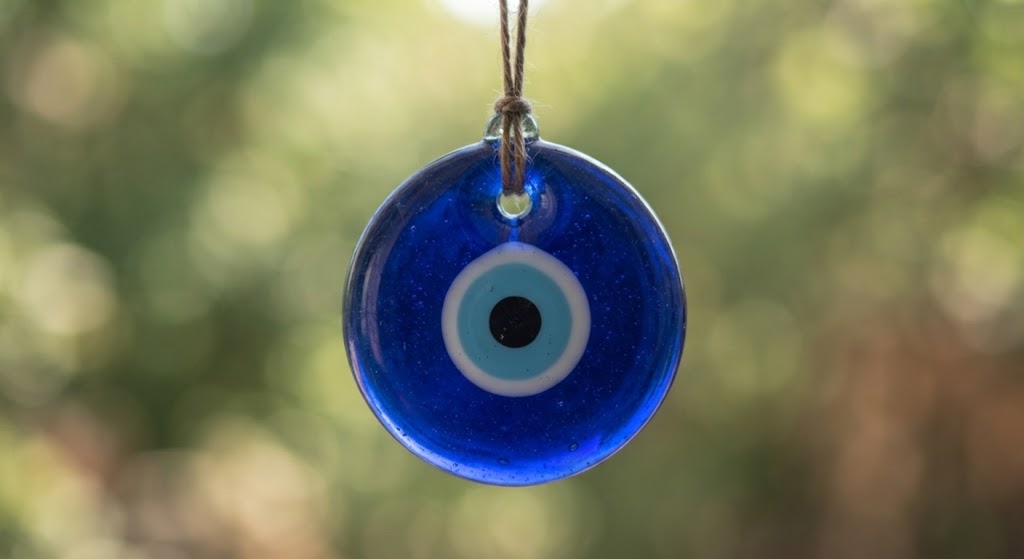

El "mal de ojo" es una creencia antigua según la cual una mirada celosa, envidiosa o malévola podría causar mala suerte, enfermedad o dificultades. Para protegerse de esta energía negativa, muchas culturas han creado amuletos específicos, conocidos como nazares o talismanes contra el mal de ojo.
Estos talismanes adoptan diversas formas: un ojo estilizado, una mano con un ojo en su centro —un símbolo fácilmente confundible con el mal de ojo en sí mismo, véase nuestra comparación de ojo malvado vs. la mano de Fátima — o cuentas de vidrio azul y blanco. En Turquía y varios países mediterráneos, estos amuletos son muy populares: se cuelgan en puertas, en coches, en casas, en tiendas, o se llevan como joyería.
En la tradición, el ojo turco absorbe una mirada dañina y envidiosa para que no te alcance: es un amuleto de protección, no un amuleto de suerte. Más en nuestra guía sobre el significado del mal de ojo. Si ya llevas uno, ver también qué hacer cuando tu pulsera de ojo turco se rompe.
Para crear tu propio talismán, puedes comprar una joya con un colgante de ojo maligno motivo, pintar piedras, hacer un amuleto de arcilla, o dibujar este símbolo en un cuaderno dedicado a tus intenciones. Colócalo cerca de tu entrada, en tu escritorio, o llévalo contigo como recordatorio de que tienes derecho a protegerte y preservar tu energía.
Bellotas como símbolos de suerte
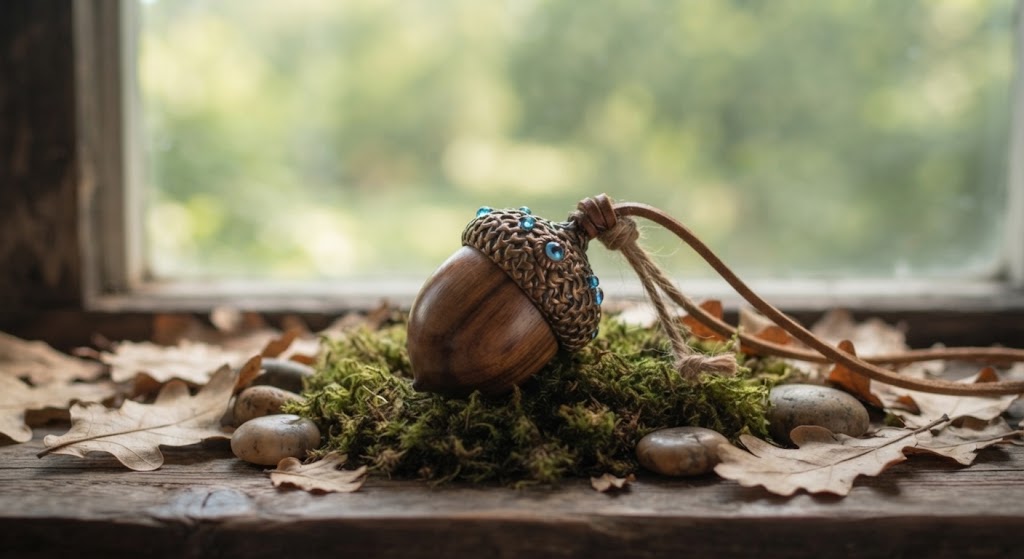
La bellota, el fruto del roble, es un símbolo discreto pero poderoso de la suerte, la sabiduría y el crecimiento. En la mitología nórdica, se asocia con el dios Odín, quien según la leyenda se colgó de un roble para obtener conocimiento. Por esta razón, la bellota representa la búsqueda de la sabiduría, el coraje para soportar las adversidades y la fortaleza interior.
Los escandinavos utilizaban bellotas como protección: las colocaban en los alféizares de las ventanas para resguardarse contra los rayos y las tormentas. Durante las invasiones nórdicas, los ingleses llevaban bellotas en los bolsillos, esperando ganarse la misericordia de sus conquistadores o atraer un poco de suerte en aquellos tiempos turbulentos.
El proverbio "los grandes robles crecen de pequeñas bellotas" nos recuerda que las grandes cosas a menudo comienzan con gestos pequeños, ideas pequeñas, decisiones pequeñas. La bellota se convierte así en un símbolo ideal para proyectos a largo plazo, desarrollo personal, confianza en el propio potencial y paciencia.
Fáciles de encontrar en otoño, las bellotas pueden ser amuletos de la suerte caseros excelentes. Puedes recopilarlas, limpiarlas y pintarlas en oro, plata o colores brillantes, luego convertirlas en llaveros, adornos de escritorio o elementos de un altar de la suerte. Cada bellota puede simbolizar un proyecto, una intención o una cualidad que desees ayudar a crecer.
¿Quieres más suerte?
Si quieres ir más allá y multiplicar los signos positivos en tu vida, puedes combinar varios amuletos de la suerte: un trébol de cuatro hojas en tu cartera, bambú de la suerte en tu escritorio, un ojo turco cerca de tu entrada, una mariquita como decoración, o una moneda favorita siempre contigo.
También puedes rodearte de símbolos que disfrutes: una lista de reproducción de canciones sobre suerte y éxito, citas inspiradoras, imágenes de arcoíris, peces o mariquitas. Lo que importa no es creer en ello de forma "mágica", sino crear un entorno que apoye tus objetivos y tu estado de ánimo.
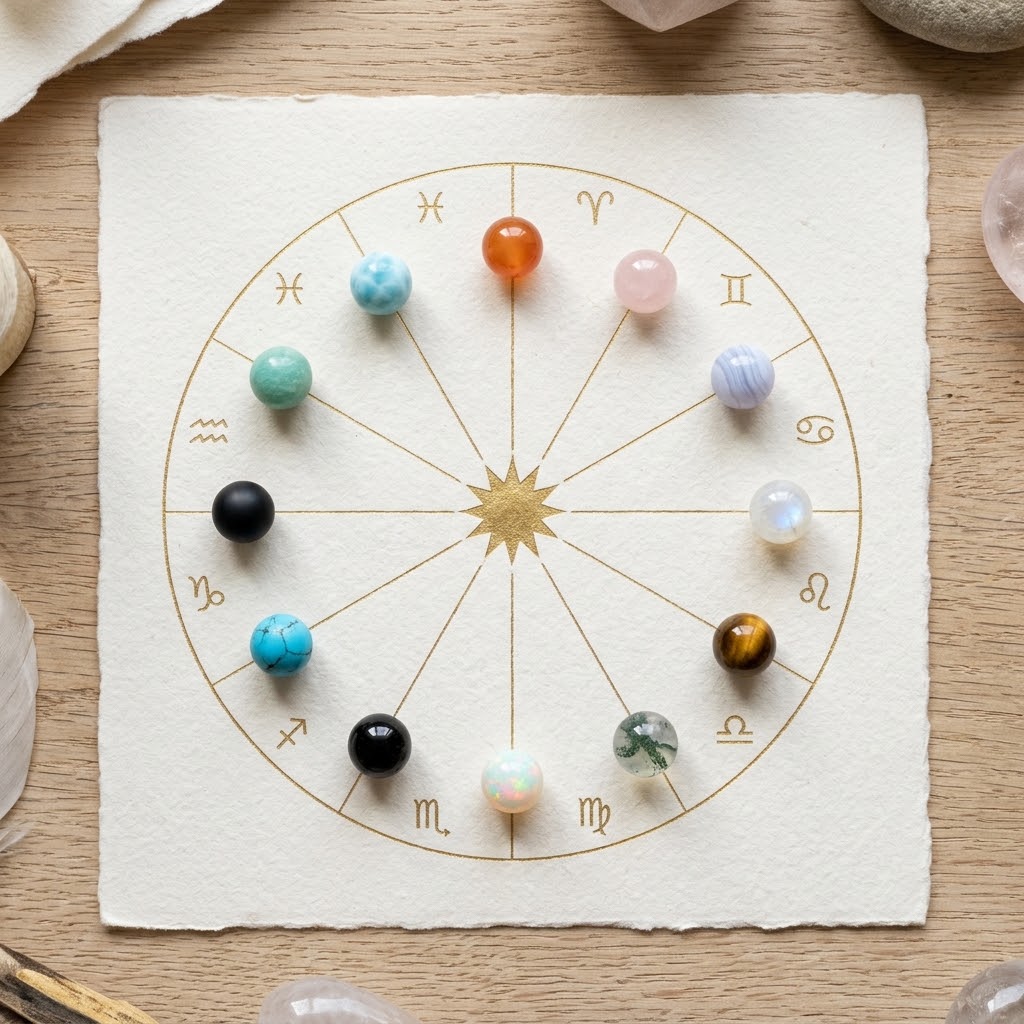
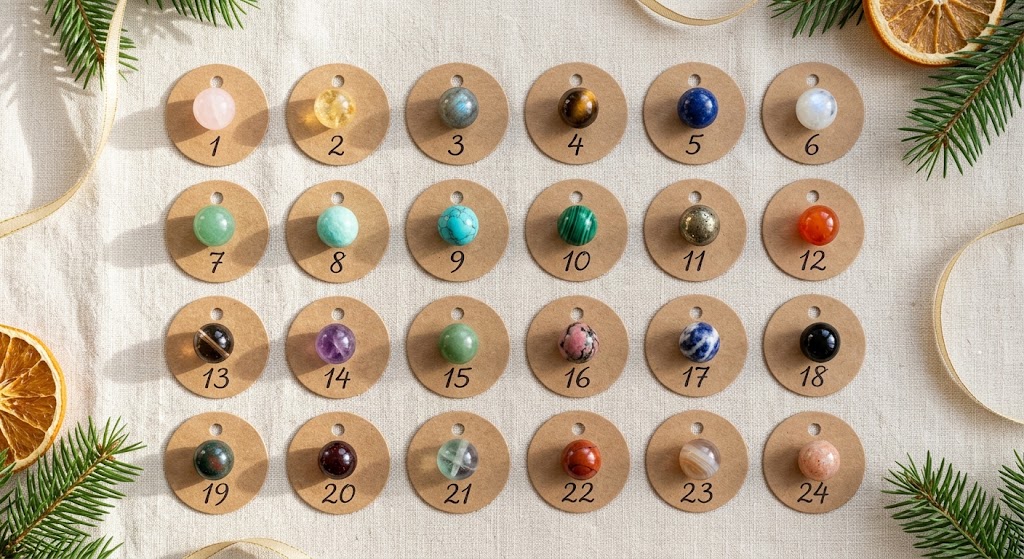
También puedes consultar la lista de piedras de nacimiento para elegir un cristal vinculado a tu mes de nacimiento.
Por último, recuerda que los amuletos de la suerte no sustituyen tus acciones, tu paciencia y tu perseverancia. Al combinar un símbolo que ames con el compromiso concreto con tus proyectos, te das a ti mismo las mejores oportunidades — que es el único tipo de suerte que podemos honestamente prometer.
Actualizado el 27 de septiembre de 2026: se corrigieron las secciones sobre las probabilidades del trébol de cuatro hojas, la tradición de la herradura, el mal de ojo y el atrapasueños, y se eliminaron afirmaciones de confianza que la investigación no respalda.