
Loch Ness · ¿VERIFICADO O SOLO VIBES? · Amuletos de la suerte
Por Camille G., fundadora de Loch Ness · Publicado 27 de septiembre de 2026 · Última actualización 27 de septiembre de 2026
Mal de ojo, tréboles de cuatro hojas, herraduras, atrapasueños: los clásicos de joyería amuleto de la suerte. Casi todas las tiendas dan a cada uno un significado cuidado en una tabla. Investigamos de dónde proceden esos significados y encontramos algo que la mayoría de las tablas omiten: la mitad de estos símbolos nunca fueron sobre la suerte. Eran sobre la protección.
Esta guía cubre los cuatro símbolos que vendemos. Si algún amuleto puede cambiar realmente tu suerte es una pregunta separada, con su propia página: ¿funcionan los amuletos de la suerte?
Suerte o protección: la distinción que nadie hace
| Símbolo | De dónde viene | Se suponía que | Lo que pudimos verificar |
|---|---|---|---|
| Mal de ojo | Mediterráneo y Oriente Medio; la cuenta de vidrio azul está fuertemente vinculada a Turquía | Proteger de miradas envidiosas | La creencia y la cuenta están bien documentadas; la historia de "5.000 años de antigüedad" es más cuestionable |
| Trébol de cuatro hojas | Folclore europeo | Traer suerte | Su rareza es medible: aproximadamente 1 de cada 5.076 |
| Herradura | Folclore europeo | Proteger un hogar, o tener suerte | Ambas formas de colgarlo son tradicionales |
| Atrapasueños | Tradición Ojibwe | Proteger a un niño durmiendo | Su origen está documentado; su uso comercial es controvertido |
Así que solo uno de los cuatro, el trébol, es puramente un amuleto de suerte. El mal de ojo y la herradura son en primer lugar escudos. Ten eso en mente cuando un anuncio promete "buena fortuna".
Mal de ojo
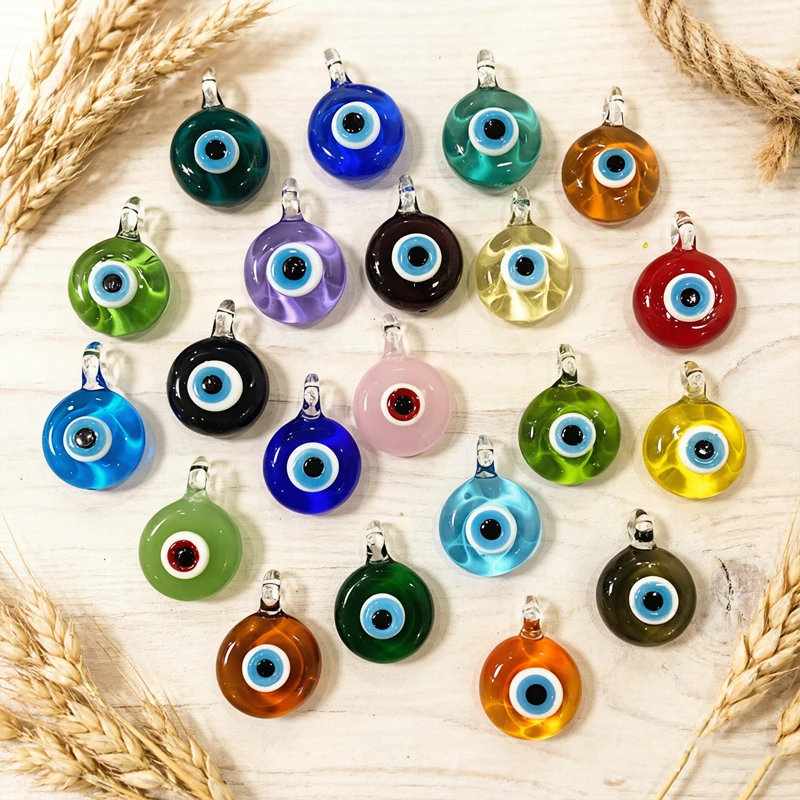
El nazar boncuğu turco es un señuelo: está destinado a atraer una mirada dañina y absorberla. Varias fuentes turcas insisten en que se trata de protección, no de suerte. Historia completa: significado del mal de ojo.
Trébol de cuatro hojas
El único amuleto de la suerte verdadero aquí, y el único cuya rareza ha sido contabilizada. La mayoría de sitios dicen 1 en 10.000; una gran encuesta europea encontró aproximadamente 1 en 5.076. Historia completa: ¿Qué tan raro es un trébol de cuatro hojas?
Herradura
Se creía que el hierro alejaba el mal, y la herradura se colocaba sobre las puertas. ¿Puntas hacia arriba o hacia abajo? Ambas tradiciones existen. La historia completa: herradura hacia arriba o hacia abajo.
Atrapasueños
Un objeto ojibwe colgado sobre la cuna de un niño, que se convirtió en un recuerdo mundialmente popular a finales del siglo XX — una historia que muchas personas indígenas critican. Historia completa: significado atrapasueños.
Por qué la gente lleva amuletos en absoluto
Los amuletos son mucho más antiguos que las tendencias de joyería: los escarabajos egipcios y las bullae romanas ya se llevaban para la protección, y la pulsera de dijes moderna floreció bajo la reina Victoria (Enciclopedia de joyas Skyjems). Si los símbolos tallados te interesan, nuestro guía de pulseras de cuentas de madera tallada aplica el mismo método a textos budistas y motivos chinos.
Lo que prometemos y lo que no
No prometemos que ninguno de nuestros amuletos traerá suerte o protección. Vendemos símbolos que la gente ha amado durante siglos, con su verdadera historia incluida.
Fuentes
- Skyjems — Joyería de amuleto de la suerte
- Viajes Hecho en Turquía — Ojo turco del mal
- Wikipedia — Trébol de cuatro hojas
- Wikipedia — El hierro en el folclore
- Wikipedia — Atrapasueños
Registro de actualización
27 de septiembre de 2026 — Primera publicación.

Acerca de la autora — Camille G., fundadora de Loch Ness
Desarrollador full-stack y joyero autodidacta desde 2013, Camille diseña y programa cada experiencia interactiva en Loch Ness Lab — desde el healing crystal bracelet configurator a las herramientas gratuitas en lochness-paris.com/apps, incluyendo la investigación detrás del algoritmo de puntuación de la prueba de creatividad.