
Relojes
Greeny Shop
¡Joyas y Tendencias en Abundancia!
Aplicación gratuita · sin cuenta
Piedra del Día
Cada día, una piedra natural, su intención y sus asociaciones tradicionales. Explora pulseras de intención, tu camino de vida, la luna y los signos del zodiaco, y luego diseña tu propia pulsera.
Una piedra nueva cada díaCamino de vida y numerologíaLuna y zodiacoJuegos y insignias
Descubre la piedra de hoy →
-
-
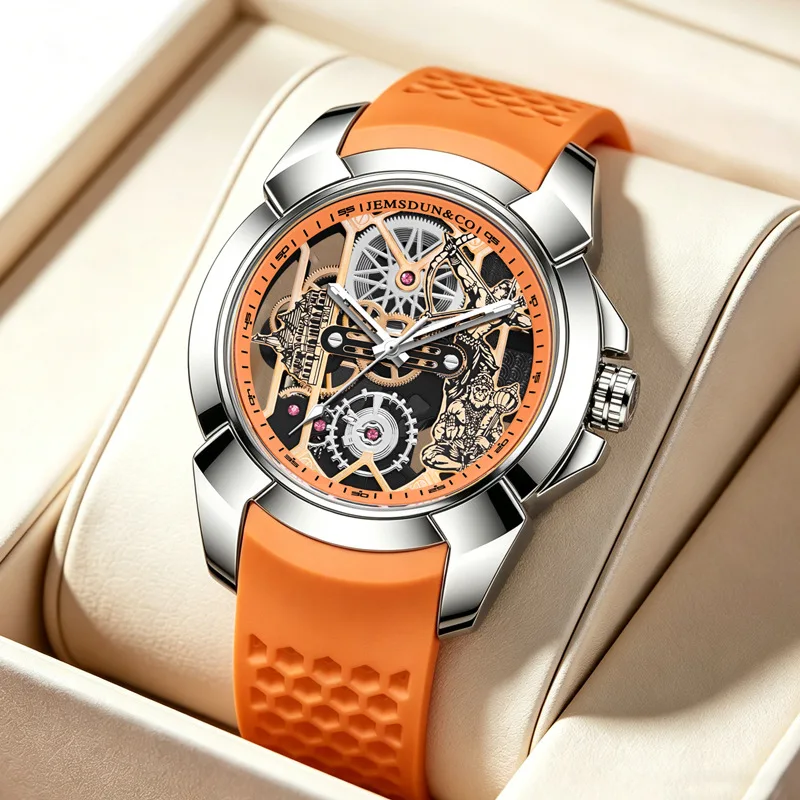
Reloj de Cuarzo de Lujo para Hombre con Esqueleto 3D y Esfera Naranja
Price range: 43.39 € through 43.79 € -
-
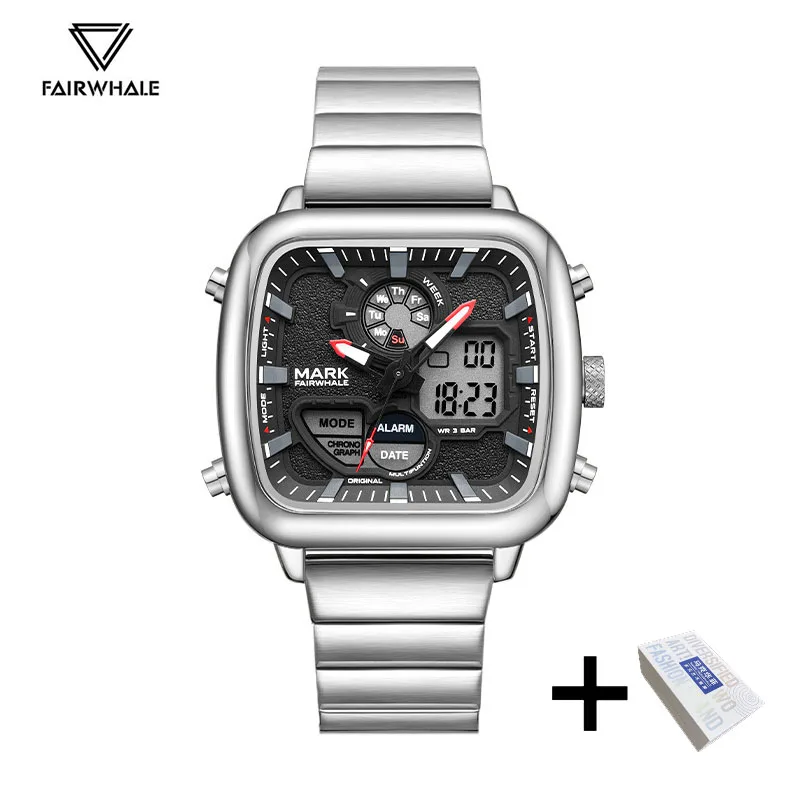
-
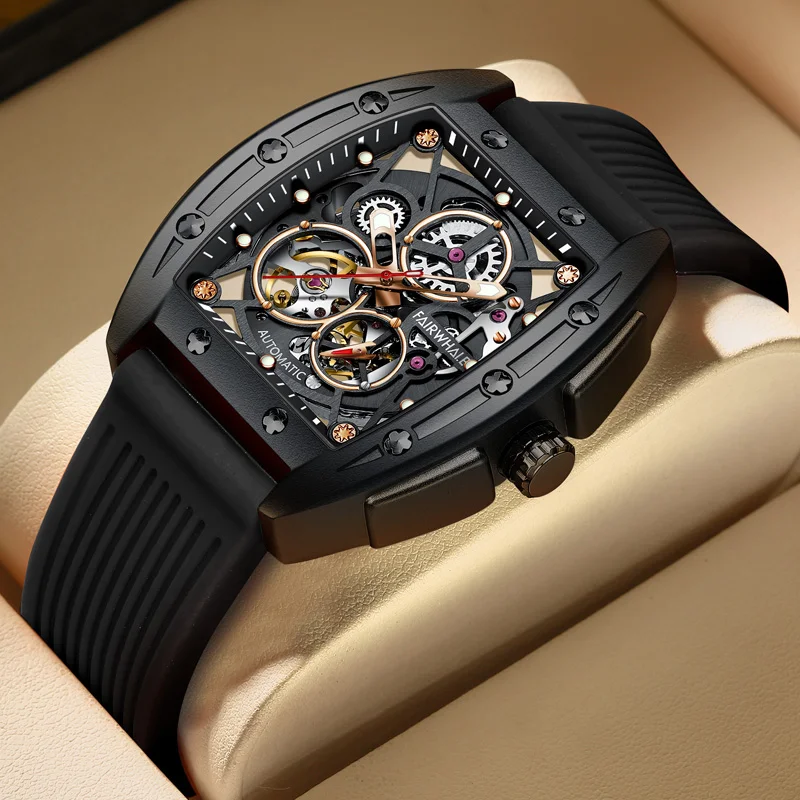
-
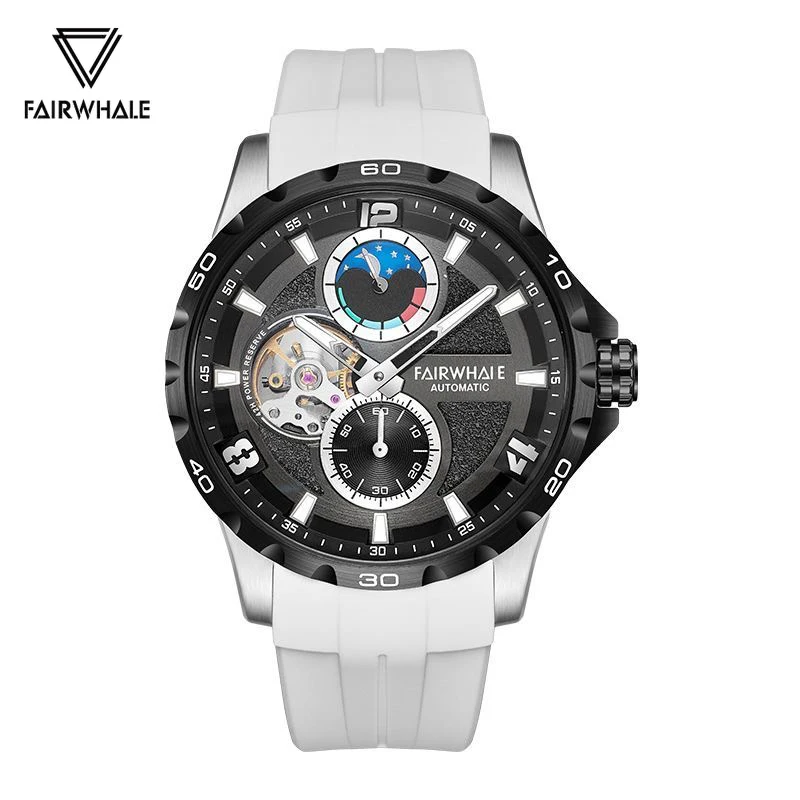
-
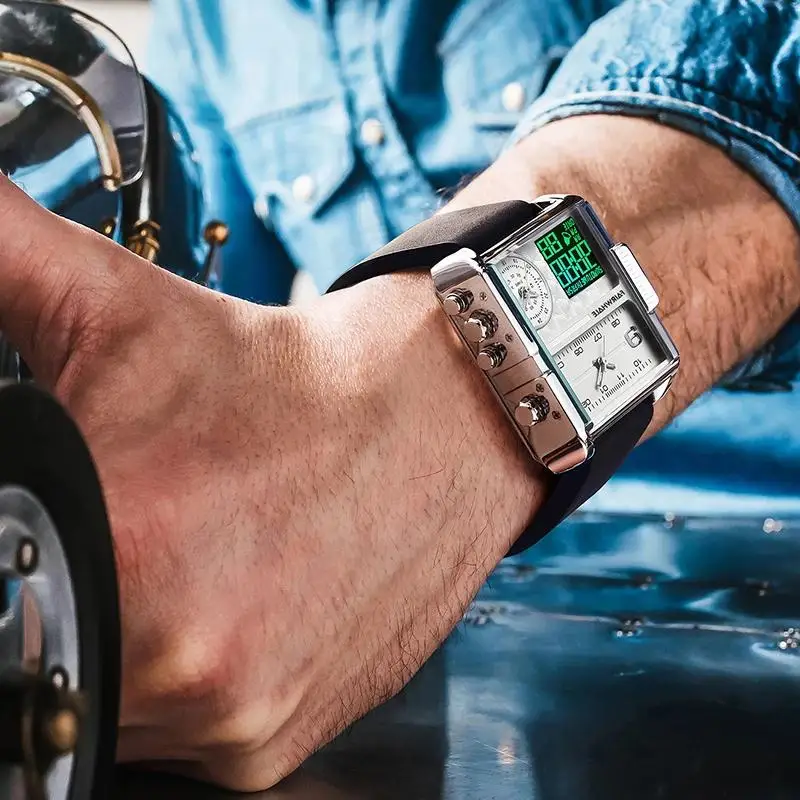
-
-
-
-
-
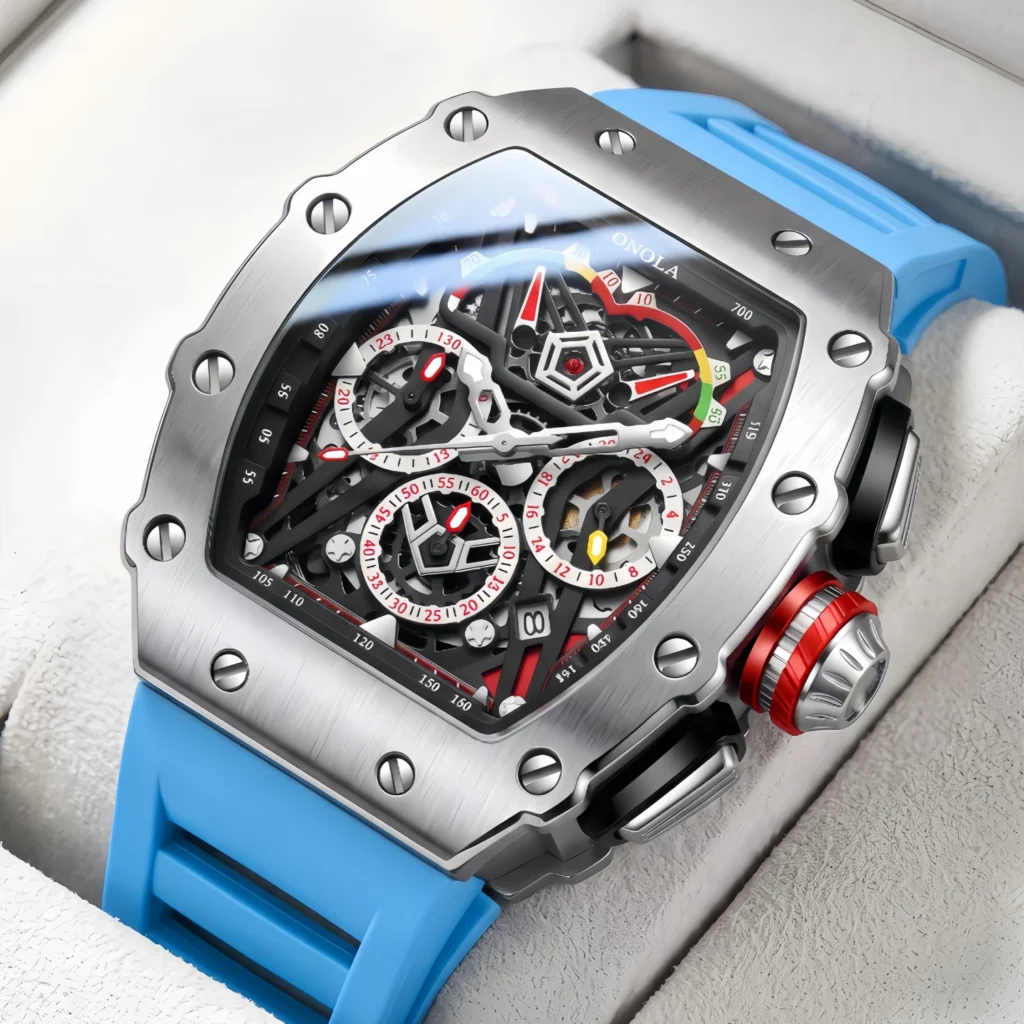
ONOLA 2021 Reloj Deportivo de Cuarzo Cronógrafo de Lujo
Price range: 44.19 € through 46.59 € -
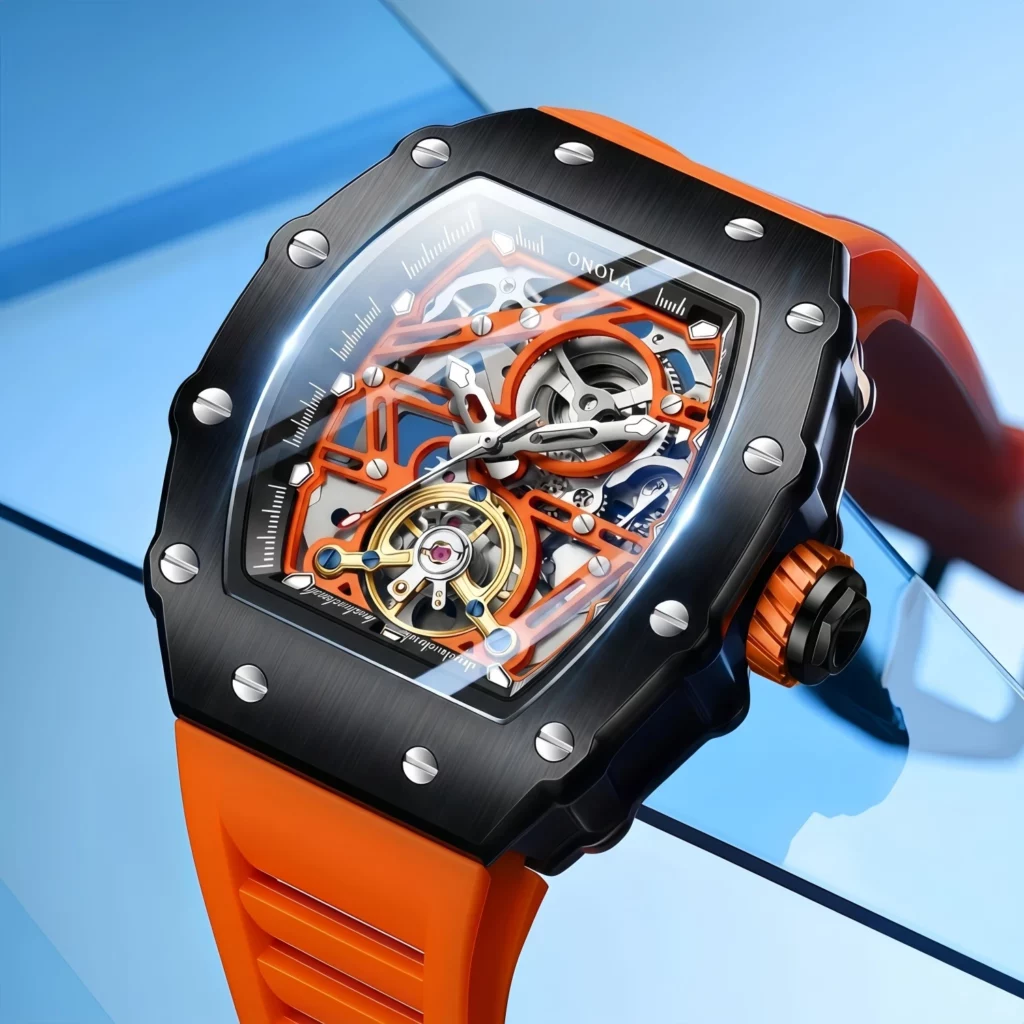
-
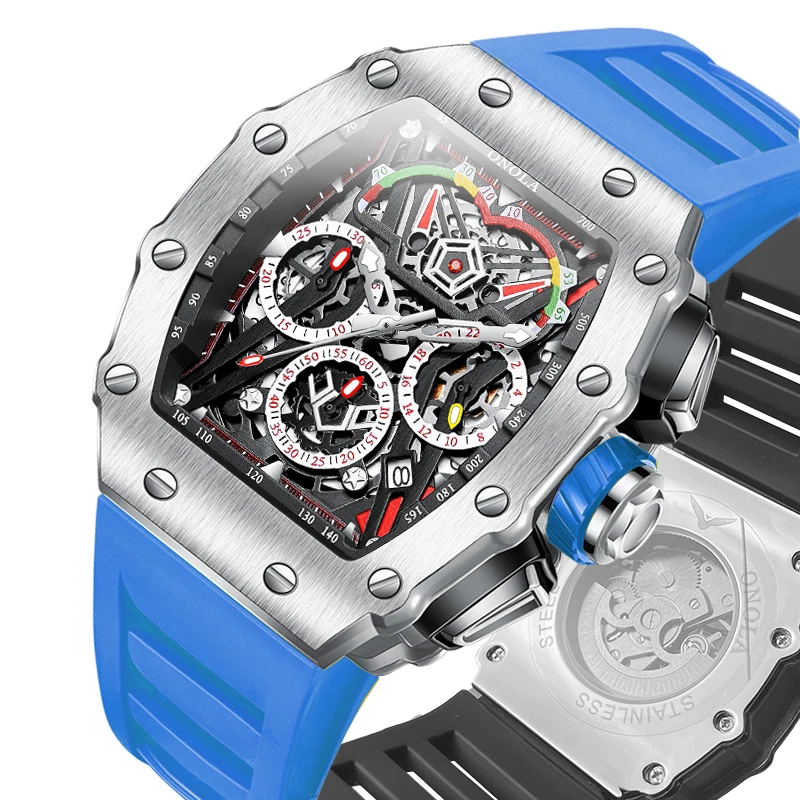
Reloj Automático de Lujo para Hombre ONOLA, Estilo Atemporal
Price range: 61.79 € through 64.99 € -
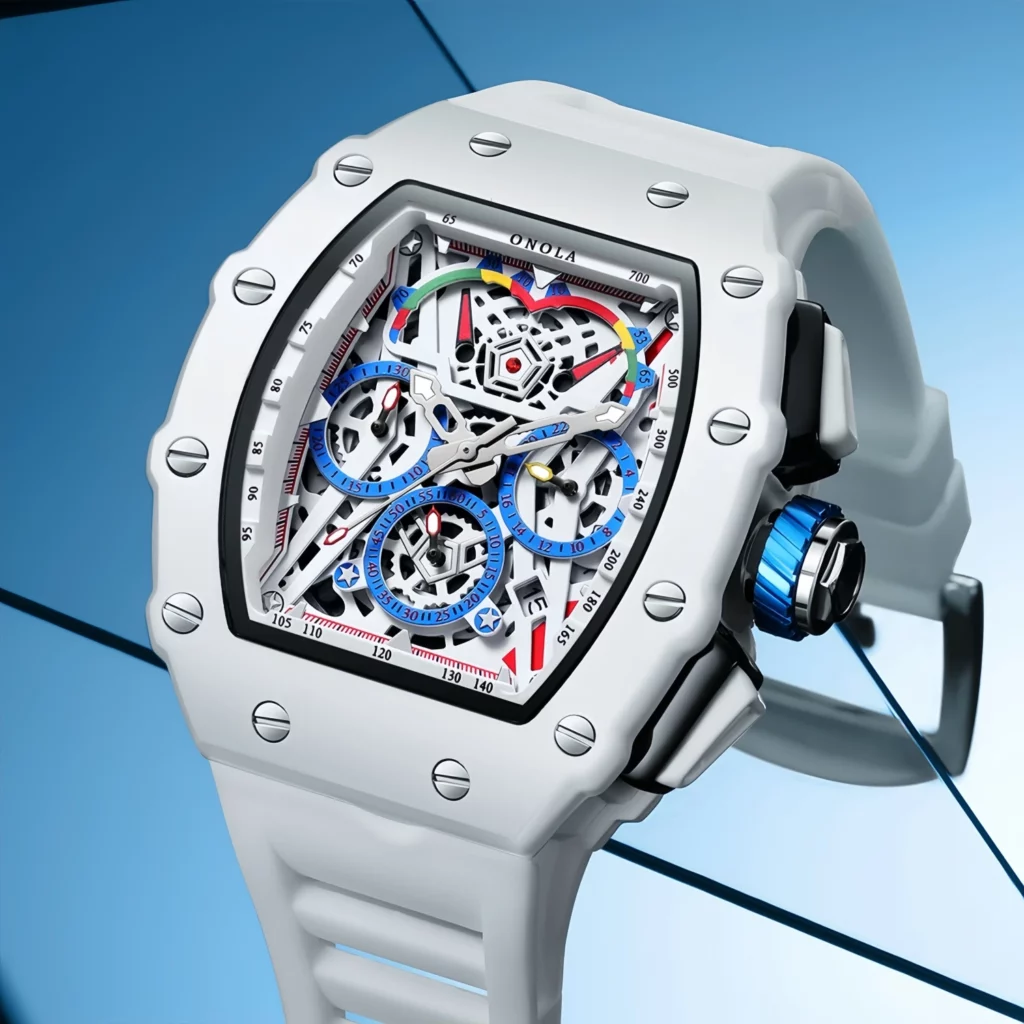
Reloj de Cuarzo Deportivo con Calendario Luminoso y Esfera Hueca para Hombres ONOLA
Price range: 42.59 € through 43.19 € -
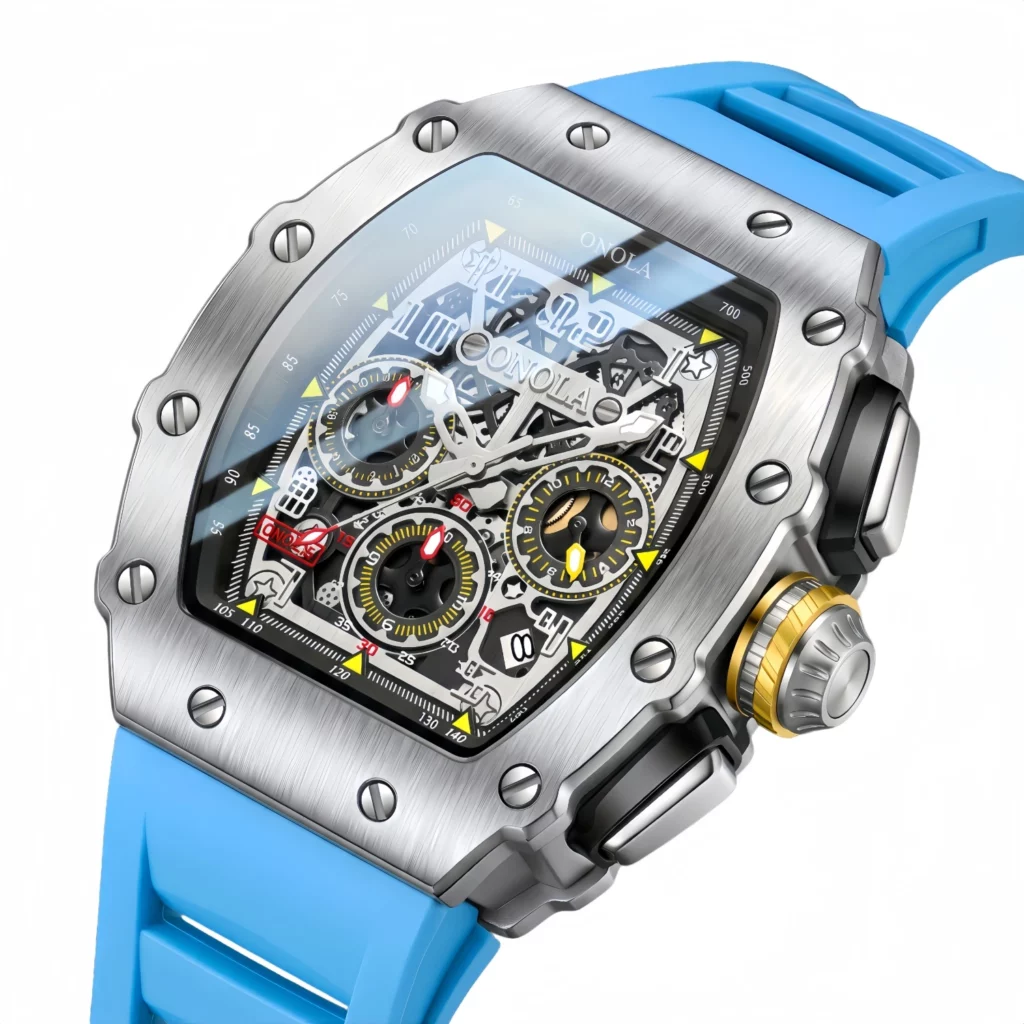
Reloj de Cuarzo Deportivo Multifunción de Lujo para Hombres ONOLA
Price range: 45.59 € through 47.39 €
Relojes
Un reloj nunca se posee realmente — se toma prestado por un tiempo, se lleva durante años, y eventualmente se pasa a otro.
Mucho antes de que los smartphones automatizaran la medición del tiempo, un reloj era un pequeño logro de ingeniería que se llevaba en la muñeca — precisión, artesanía e intención comprimidas en un único mecanismo móvil. Desde los primeros relojes de sol hasta los movimientos de cuerda manual, el instinto de llevar el tiempo cerca del cuerpo nunca ha desaparecido realmente, aunque las razones para hacerlo cambiaron de la necesidad al significado.
"Los arañazos se convierten en prueba, la pátina se convierte en memoria, y el tiempo mismo deja huellas dactilares."
Cada estilo lleva su propio lenguaje. Una esfera clásica habla de precisión silenciosa y confianza discreta. Una caja robusta se lee como aventura, construida para el movimiento en lugar de la quietud. Una pieza audaz y llamativa señala presencia — algo destinado a ser notado tanto como usado. Lo que comparten es intención: un reloj raramente se elige por accidente, y raramente se usa sin una razón.
Más que la mayoría de accesorios, un reloj se vuelve personal con el uso y no a pesar de él — la forma en que una correa se suaviza, una caja acumula pequeñas marcas, una esfera se vincula con los momentos en los que estuvo presente. Es menos una compra que una reliquia en formación lenta, haya o no se traspase a las siguientes generaciones.
El tiempo pasa de todos modos — esta es solo una forma más deliberada de llevarlo.