Our guides
How to care for a natural stone bracelet
A natural stone can last for years, as long as you know its weak points. Some fear almost nothing; others fade in sunlight or dull in water. Type the name of your stone to see how to look after it.
Loch Ness editorial team · Updated
- Put your bracelet on last (after cream and perfume) and take it off first.
- No shower, pool, sea or intense sport with your bracelet on.
- A soft, dry cloth is enough for almost every stone.
- Store each bracelet separately, flat, away from sunlight.
Stone by stone
| Stone | Weak point · How to care for it |
|---|---|
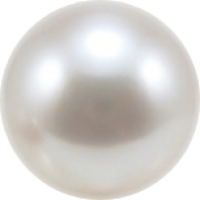
| Pearls and mother of pearlFreshwater Pearl · Akoya Pearl · Mother of Pearl | Very soft (2.5 to 4.5 on the Mohs scale), sensitive to acidsNo perfume, hairspray or cream near them. After wearing, a soft, barely damp cloth, then a dry one. |
| Celestite | Soft (3 to 3.5) and light-sensitiveFades in sunlight: store it in the shade. No water. |
| Howlite | Soft (3.5) and porousAbsorbs creams and oils, scratches quickly. Dry cloth, store on its own. |
| Malachite | Soft (3.5 to 4) and sensitive to acidsNo water, perfume or household products. A dry cloth only. |
| Rhodochrosite | Soft (3.5 to 4) and sensitive to acidsDislikes knocks and products. Dry cloth, store in a pouch. |
| Fluorite | Soft (4) and fragile to knocksScratches and can chip. Take it off for manual work, store it alone. |
| Larimar | Fairly soft (4.5 to 5) and sensitive to sunlightMay fade in strong light. Soft cloth, kept in the shade. |
| Lapis Lazuli | Fairly soft (5 to 5.5), dislikes waterDry cloth; avoid soapy water and cleaning products. |
| Turquoise | Porous (5 to 6), often stabilisedCreams, sweat and water can change its shade. Dry cloth. |
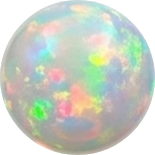
| Opale | Contains water, sensitive to heatAway from radiators and direct sun; no sudden temperature changes. |
| Pyrite | Dislikes moistureCan tarnish or oxidise. Take it off before showering and wipe it if it gets wet. |
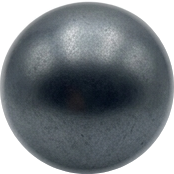
| Matte Hematite | Brittle despite its hardness (5.5 to 6.5)A fall onto tiles can crack it. Avoid prolonged moisture. |
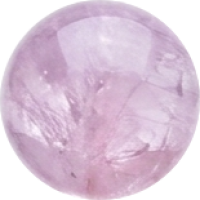
| Kunzite | Fades in sunlight, cleaves easily« The evening stone »: best worn at night and protected from knocks. |
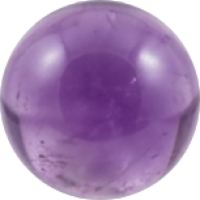
| Amethyst | Hard (7) but sensitive to prolonged sunlightLong exposure to full sun can lighten its colour. Lukewarm water is fine, then dry. |
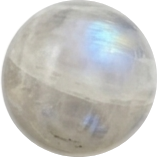
| Labradorite and moonstoneLabradorite · Moonstone | Medium hardness (6 to 6.5), prone to cleavageMostly fear knocks. Soft cloth; avoid ultrasonic baths. |
| Lava Stone | Very porousAbsorbs perfume and oils, which is the point for scented bracelets. No soapy water. |
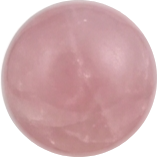
| Quartz, agates, jaspers, tiger's eyeRose Quartz · Smoky Quartz · Tiger's Eye · Aventurine · Carnelian · Red Jasper · Botswana Agate | Hard (6.5 to 7) and robustThe easiest to live with: lukewarm water and a little mild soap if needed, then dry well. |
Learn more
The five enemies of your beads
Knocks and friction first: a stone scratches when it meets something harder, and quartz, common in household dust, scratches every softer stone. Then come water and soap, which dull porous or sensitive stones, and perfume, creams and sweat, which are slightly acidic.
Sunlight fades some colours, such as amethyst, kunzite or celestite, and heat damages opal. Remembering these five points avoids almost every accident.
Cleaning your bracelet
For most stones, a soft, dry cloth run over each bead removes fingerprints and dust. For hard stones (quartz, agates, jaspers) you can use a little lukewarm water and mild soap, then dry carefully, without soaking.
No ultrasonic bath, no silver polish, no hard brush. And if the bracelet is strung on elastic cord, avoid getting it wet often: water wears the cord faster than the beads.
Storing your bracelet
Ideally, one fabric pouch per bracelet, or a box with compartments, out of the light. Avoid tossing all your jewellery into the same dish: hard stones scratch soft ones. An elastic bracelet should be stored flat, not stretched around a holder.
Putting it on and taking it off without damage
Roll an elastic bracelet over your hand rather than pulling it: the cord stays supple for longer. If it looks slack, or you can see the cord between the beads, it's time to have it restrung before it breaks.
Cleansing and recharging: careful with fragile stones
In crystal traditions, stones are often « cleansed » with water or salt and « recharged » in sunlight or moonlight. These practices belong to belief, and some genuinely damage stones: salt and water attack malachite, pyrite, hematite, turquoise and pearls; sunlight fades amethyst and kunzite.
If you value these rituals, choose the gentlest for the stone: moonlight, smoke, or simply resting the bracelet on a geode or a piece of quartz.
Frequently asked questions
Can I shower with a stone bracelet?
It isn't advisable. Hot water, soap and limescale dull several stones and wear the cord. Better to leave it by the sink and put it back on once you're dry.
My bracelet has lost its shine. What can I do?
Often it's just a film of cream or sweat: a soft cloth is enough. If a soft stone is scratched, its polish won't come back on its own; the bead can be replaced.
How long does elastic cord last?
It depends on wear: from a few months to several years. Cord slackens faster if the bracelet is often stretched or often wet. When it becomes loose, it's best to have it restrung.
Should I take my bracelet off at night?
It isn't essential, but it's better: you avoid rubbing against sheets and snagging, and the cord gets a rest. It's also a chance to store it out of the light.
Stones mentioned in this guide










Our guides
Design your bracelet
Pick your beads one by one, see the result live and order your bracelet.
What about your life path?
Calculate your life path number and discover the stones of your life path bracelet.