Our guides
The Mohs scale: how hard are the stones in your bracelets?
Why does a howlite bracelet go dull while an agate one stays shiny? It all comes down to hardness. Here is how to read the Mohs scale, where the stones in our bracelets sit on it, and how to look after them.
Loch Ness editorial team · Updated
- The Mohs scale ranks minerals from 1 (talc) to 10 (diamond) by how well they resist scratching.
- The key number is 7, quartz: dust contains it, so stones below 7 slowly get scratched.
- Hardness does not mean toughness: a hard stone can crack under a knock.
- Store your bracelets separately: hard stones scratch softer ones.
The stones in our bracelets, from softest to hardest
| Hardness and stones | What it means · Day to day |
|---|---|
| Very soft · 2.5 to 4Freshwater Pearl · Akoya Pearl · Mother of Pearl · Serpentine · Howlite · Celestite · Rhodochrosite · Malachite · Fluorite · Angelite · Jasper Picasso | Pearls, mother-of-pearl, howlite, malachite, rhodochrosite, fluorite, angelite… A fingernail (2.5) or a coin (about 3.5) can already mark some of them.Wear gently: take the bracelet off for sport, housework or gardening, and store it separately. |
| Soft · 4.5 to 5.5Larimar · Blue Apatite · Lapis Lazuli · Turquoise · Obsidian · Lava Stone · Bumblebee Jasper · Charoite · Snowflake obsidian | Larimar, apatite, lapis lazuli, turquoise, obsidian, charoite… A knife blade (5.5) scratches them.They handle regular wear but lose their polish when rubbing against harder stones or surfaces. |
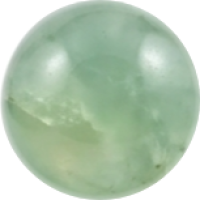
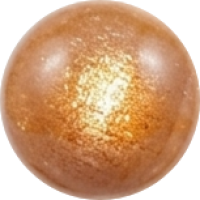
| Medium · 5.5 to 6.5Sodalite · Zebra Sodalite · Rhodonite · Matte Hematite · Opale · Labradorite · Amazonite · Pyrite · Moonstone · Tanzanite · Prehnite · Sunstone | Sodalite, rhodonite, hematite, labradorite, amazonite, moonstone, pyrite, prehnite, sunstone… Around window glass (6.5).Good for daily wear; avoid knocks, as some (such as feldspars) have cleavage, meaning they can split along a plane. |
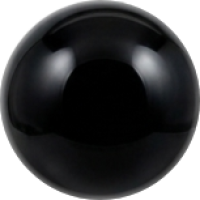
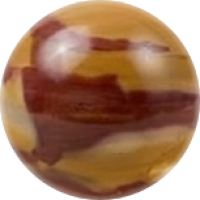
| Hard · 6.5 to 7Black Onyx · Carnelian · Red Jasper · Botswana Agate · Moss Agate · Picture Jasper · Mookaite Jasper · Dalmatian Jasper · Brecciated Jasper · Blue Lace Agate · Black Agate · Geode Agate · Fire Agate · Ocean Jasper · Unakite · Kunzite · Ruby Zoisite · Matte Onyx · Iron Eye · Bull's Eye · Pietersite · Green Jade · Green Dyed Quartz (Malaysia Jade) · Peridot | Agates, jaspers, onyx, carnelian, jade, kunzite, peridot, bull's eye… The large chalcedony family.Perfect for a bracelet worn every day: dust does not scratch them easily. |
| Quartz · 7Citrine · Rose Quartz · Smoky Quartz · Cat's Eye · Aventurine · Tiger's Eye · Amethyst · Clear Quartz · Garnet · Dumortierite | Rose quartz, smoky quartz, clear quartz, amethyst, citrine, aventurine, tiger's eye, as well as garnet and dumortierite. Quartz is the reference mineral for 7.This is the threshold that matters: dust contains quartz, so stones of 7 and above resist everyday scratches well. |
| Very hard · above 7Rainbow Tourmaline · Tourmaline · Morganite · Aquamarine · Iolite | Tourmaline, iolite, aquamarine, morganite: the hardest stones in our bracelets.Scratch-resistant, yet they can still crack under a sharp blow: hardness is not toughness. |
Learn more
What is the Mohs scale?
It was devised in 1812 by the German mineralogist Friedrich Mohs. The idea is simple: one mineral scratches another if it is harder. Mohs chose ten reference minerals, from softest to hardest: talc (1), gypsum (2), calcite (3), fluorite (4), apatite (5), orthoclase (6), quartz (7), topaz (8), corundum (9) and diamond (10).
Note that it is a ranking, not a measurement: the steps between numbers are not equal. Diamond (10) is almost four times harder than corundum (9), which is itself about twice as hard as topaz (8).
Everyday reference points
To get a feel for it: a fingernail is about 2.5, a copper coin about 3.5, a knife blade 5.5, window glass and a steel file 6.5.
These points help you understand, not test your jewellery: scratching a stone to check its hardness leaves a permanent mark.
Why the number 7 matters so much
Household and street dust contains tiny grains of quartz, hardness 7. Every time a softer stone is wiped or rubs against a dusty surface, those grains scratch it a little. Over time, the surface goes dull.
That is why stones of 7 and above (quartz, tourmaline, aquamarine…) keep their polish for years, while turquoise, lapis lazuli or howlite need more care.
Hardness is not toughness
Hardness measures resistance to scratching, not to knocks. Diamond, the hardest of all, can shatter under a sharp blow; jade, less hard, is very tough. Some stones, such as feldspars (labradorite, moonstone, amazonite), split more easily along a plane: that is cleavage.
For a bracelet on elastic thread, the biggest risk is not scratching but impact: a fall onto tiles, a knock against a worktop.
Caring for your bracelet according to its hardness
Store each bracelet separately in a fabric pouch: in a shared box, hard stones scratch softer ones. Take it off for sport, housework, gardening or washing up. Clean it with a soft, slightly damp cloth rather than rubbing it dry.
A bracelet mixing hard and soft stones ages unevenly: the softer beads wear a little against the others, which is normal. Our care guide covers each stone in detail.
A name can mislead
A stone's trade name does not always say what it is. “Picasso jasper”, for example, is actually a marble, hardness 3, much softer than true jasper (6.5 to 7). Checking a stone's mineral profile before choosing a bracelet for everyday wear avoids surprises. See also stones people mix up.
Frequently asked questions
What is the hardest stone in your bracelets?
Aquamarine and morganite, around 7.5 to 8, followed by tourmaline and iolite. At the other end, pearls and mother-of-pearl (2.5 to 4) are the softest.
Can I wear a soft stone every day?
Yes, with a few precautions: take it off for messy activities or anything that risks knocks, and store it separately. It may lose a little polish over time, which is part of its life too.
Why has my bracelet lost its shine?
Usually because of micro-scratches from dust (which contains quartz) or from rubbing against other stones. Stones below 7 are the most sensitive.
Can I test a stone's hardness myself?
In theory, yes, but you scratch the stone in the process. For a piece of jewellery, it is better to rely on its mineral profile.
Stones mentioned in this guide
 Freshwater Pearl
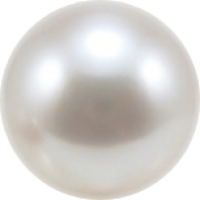 Akoya Pearl
 Mother of Pearl
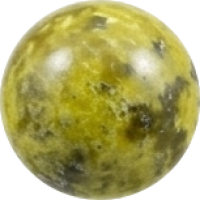 Serpentine
 Howlite
 Celestite
 Rhodochrosite
 Malachite
 Fluorite
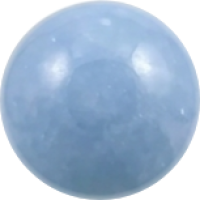 Angelite
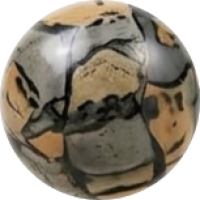 Jasper Picasso
 Larimar
 Blue Apatite
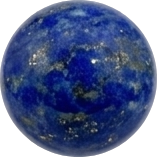 Lapis Lazuli
 Turquoise
 Obsidian
 Lava Stone
 Bumblebee Jasper
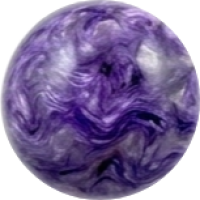 Charoite
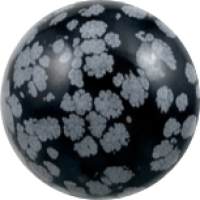 Snowflake obsidian
 Sodalite
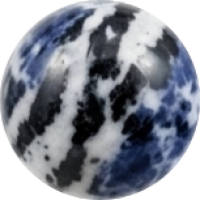 Zebra Sodalite
 Rhodonite
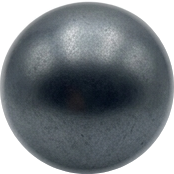 Matte Hematite
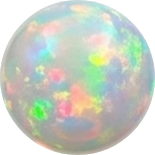 Opale
 Labradorite
 Amazonite
 Pyrite
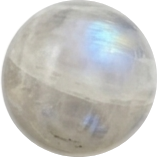 Moonstone
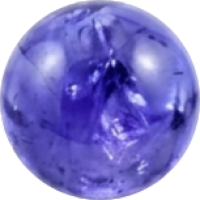 Tanzanite
 Prehnite
 Sunstone
 Black Onyx
 Carnelian
 Red Jasper
 Botswana Agate
 Moss Agate
 Picture Jasper
 Mookaite Jasper
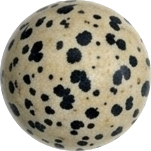 Dalmatian Jasper
 Brecciated Jasper
 Blue Lace Agate
 Black Agate
 Geode Agate
 Fire Agate
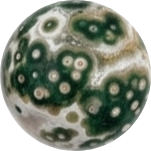 Ocean Jasper
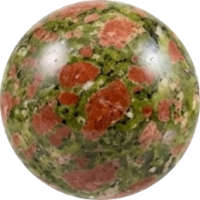 Unakite
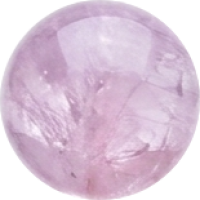 Kunzite
 Ruby Zoisite
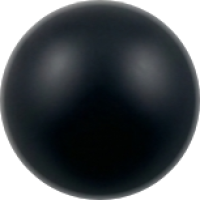 Matte Onyx
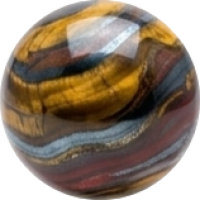 Iron Eye
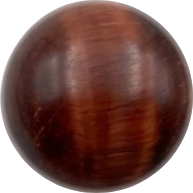 Bull's Eye
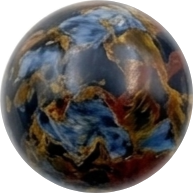 Pietersite
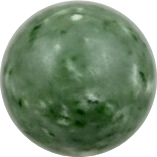 Green Jade
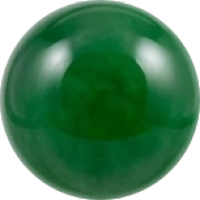 Green Dyed Quartz (Malaysia Jade)
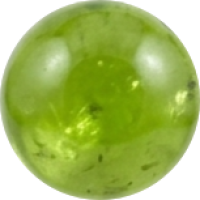 Peridot
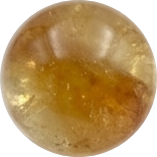 Citrine
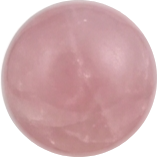 Rose Quartz
 Smoky Quartz
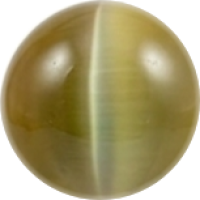 Cat's Eye
 Aventurine
 Tiger's Eye
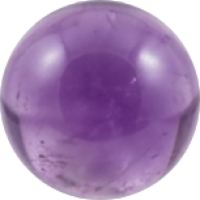 Amethyst
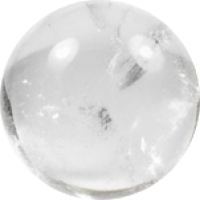 Clear Quartz
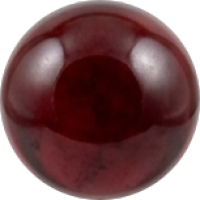 Garnet
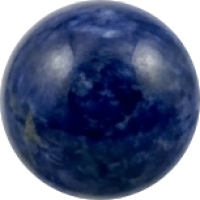 Dumortierite
 Rainbow Tourmaline
 Tourmaline
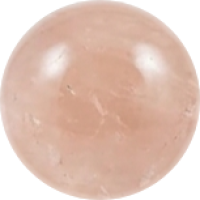 Morganite
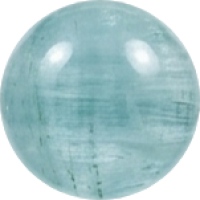 Aquamarine
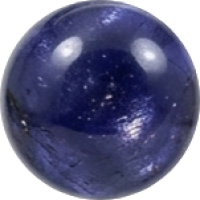 Iolite
Sources and method
This guide was written by the Loch Ness editorial team from mineralogy and gemmology references (GIA, International Gem Society, encyclopaedias), listed below. The hardness of each stone comes from our mineral profiles. If you spot a mistake, write to us and we will correct it.
- New World Encyclopedia — Mohs scale of mineral hardness (histoire, minéraux de référence, objets du quotidien)
- GIA — Iolite care and cleaning (dureté, ténacité, échelle non linéaire)
- International Gem Society — Hardness and wearability (poussière, port au quotidien, dureté et ténacité)
- Fiches minéralogiques Loch Ness (duretés de chaque pierre)
Read next
All our guidesDesign your bracelet
Pick your beads one by one, see the result live and order your bracelet.
What about your life path?
Calculate your life path number and discover the stones of your life path bracelet.